

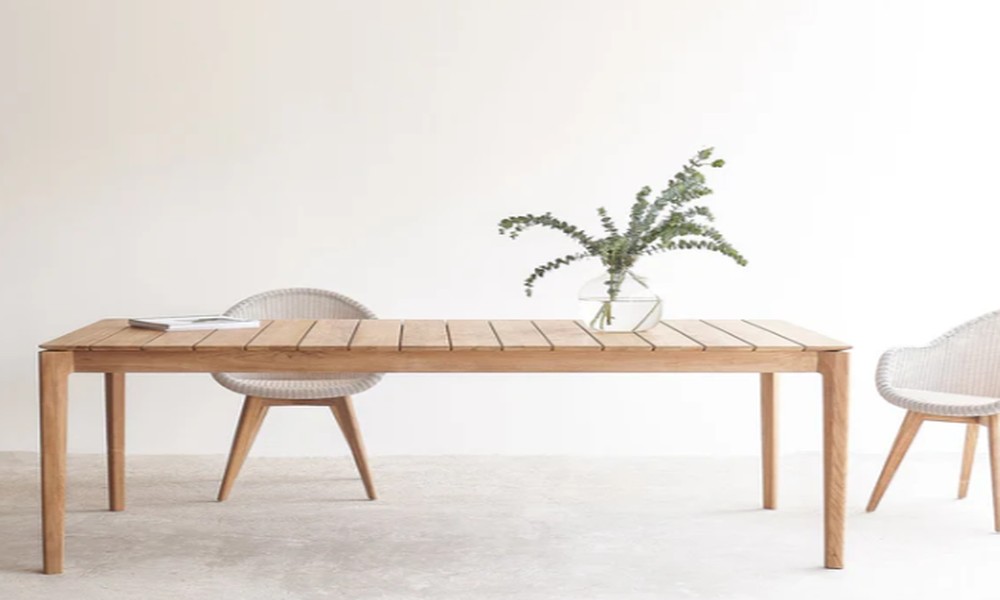
Outdoor dining provides households in Singapore with an efficient way to extend usable living space without structural changes. With limited indoor floor area and year-round warm conditions, carefully planned exterior dining zones support everyday meals and informal gatherings. This article explains how to organise practical outdoor dining spaces that align with local climate demands, cost considerations, and space constraints, while maintaining usability and visual order.
Defining Outdoor Dining for Urban Homes
Outdoor dining is the designation of a permanent or semi-permanent area for meal consumption located outside the primary building envelope, such as on balconies, terraces, patios, or landscaped gardens. In the context of Singapore’s urban density, these spaces are typically situated within high-rise apartments (Condominiums/HDBs) or compact landed properties.
Establishing a functional zone requires the coordination of three primary factors: furniture dimensions, circulation paths, and exposure to environmental elements. Unlike temporary picnic setups, a structured outdoor dining space remains functional throughout the monsoon and dry seasons by utilising fixed architectural boundaries and weather-resistant materials. For urban dwellers, this space serves as a “third room,” bridging the gap between high-density indoor living and the natural environment.
Evaluating Space Constraints and Movement
Effective outdoor spatial planning requires a minimum clearance of 75cm to 90cm between the table edge and the nearest obstruction to allow for safe movement. Measuring the total width, depth, and vertical clearance of a balcony or patio ensures that seating arrangements do not impede emergency exits or sliding door tracks.
In compact Singaporean apartments, the “circulation zone” is the most critical metric. Walkways should remain at least 60cm wide even when chairs are occupied. A well-proportioned layout avoids visual congestion and maintains physical comfort. When planning, one must account for the “swing” or “pull-out” distance of chairs; failure to do so results in cramped environments that discourage regular use.
Furniture Selection Based on Climate Conditions
Outdoor furniture in tropical climates must prioritise non-porous materials and UV-stable finishes to prevent degradation from high humidity and intense solar radiation. The following materials are recognised for high durability in Singapore:
- Powder-Coated Aluminium: Rust-resistant, lightweight, and does not retain heat as intensely as untreated steel.
- Grade A Teak: Contains high natural oil content, making it resistant to rot and wood-boring insects.
- Synthetic Polyethene (PE) Rattan: Offers the aesthetic of natural wicker but resists UV fading and moisture absorption.
- Sintered Stone or Ceramic Tops: These surfaces are non-porous, scratch-resistant, and can withstand direct sunlight without warping.
Furniture weight is a specific safety consideration for high-rise balconies. Pieces must be heavy enough to remain stable during sudden “Sumatra” squalls (high-wind events) but light enough to be moved for floor maintenance.
Planning an Alfresco Dining Setup
An alfresco dining setup is defined by its integration of natural ventilation and overhead shelter to mitigate heat gain. In Singapore, the primary challenge to alfresco dining is the “Urban Heat Island” effect. To counteract this, the setup should include adjustable shade solutions, such as retractable awnings or vertical blinds, which reduce ambient temperature by blocking direct infrared radiation.
Flooring for alfresco areas must have a high Slip Resistance Rating (SRV), particularly when wet. Porcelain tiles with a textured finish or composite decking are preferred over polished stone. Lighting should be functional rather than purely decorative; LED systems with an IP65 or IP67 waterproof rating ensure safety during heavy downpours. By focusing on these technical specifications, the dining area remains a viable asset for daily use.
Establishing a Garden Dining Area
A garden dining area requires a stabilised, level foundation-such as a concrete pad, pavers, or a raised deck-to prevent furniture subsidence and moisture transfer from the soil. Unlike balcony setups, garden zones deal with biological factors, including insects and encroaching vegetation.
Strategic plant placement is essential. Homeowners should select “low-litter” species to minimise the accumulation of leaves and organic debris on dining surfaces. Furthermore, the distance between the dining table and dense foliage should be at least 1.5 meters to reduce the presence of mosquitoes and other pests. Proper drainage is the most critical technical requirement for garden dining; water must be diverted away from the seating area via a 1:50 gradient slope to prevent stagnant pooling.
Improving the Patio Dining Experience
The patio dining experience is optimised through the use of ergonomic furniture heights and modular layouts that adapt to varying guest counts. For standard comfort, table heights should range between 74cm and 76cm, paired with seat heights of 43cm to 45cm.
On smaller patios, “pedestal” tables are more efficient than four-legged tables as they provide more legroom and flexibility for chair placement. To maintain visual order, designers recommend a “neutral palette” for large furniture items, using removable cushions for colour. This allows the space to evolve without requiring the replacement of expensive core components.
Weather Protection and Ongoing Care
Proactive maintenance for outdoor dining spaces involves a combination of physical barriers and chemical treatments to extend the lifespan of materials.
1. Protective Covers: Breathable, water-resistant covers should be used when furniture is not in use for more than 48 hours.
2. Moisture Management: Adequate floor drainage and “feet” or “glides” on furniture legs prevent capillary action from drawing water into the material.
3. Cleaning Frequency: Surfaces should be wiped weekly with a pH-neutral soap solution to remove atmospheric pollutants and salt spray, which can accelerate corrosion.
4. Annual Inspections: Checking for loose bolts, frayed weave, or compromised seals ensures safety and prevents minor wear from becoming structural failure.
Managing Costs Through Smart Planning
Cost management in outdoor furnishing is achieved through a “Life Cycle Cost” (LCC) analysis rather than focusing solely on the initial purchase price. While synthetic materials may have a lower entry cost, high-quality metals or treated hardwoods often provide a lower cost-per-year due to their extended service life.
Modular furniture designs support fiscal responsibility by allowing homeowners to purchase a basic set and add components, such as side tables or additional seating, as the household budget permits. Choosing repair-friendly materials, such as wood that can be sanded or metal that can be repainted, limits long-term disposal and replacement expenses.
Sourcing Outdoor Dining Sets Locally
Outdoor dining sets Singapore retailers provide are specifically curated for high-density living, emphasising vertical storage and weather-hardy finishes. When sourcing locally, consumers should prioritise vendors that offer “weather-tested” guarantees for the tropics.
Key features to look for in local sets include:
- Stackability: Essential for HDB balconies where space may be needed for clothes drying or other tasks.
- Foldability: Allows for the rapid clearing of space during extreme weather alerts.
- Local Warranty: Simplifies the procurement of replacement parts, such as specific bolts or matching cushion covers, which are often difficult to find for imported, discontinued lines.
Practical Safety Considerations
Safety in outdoor dining involves managing weight distribution, wind resistance, and structural integrity, particularly in elevated environments. * Wind Loading: On floors above the 10th level, furniture should have a higher mass or be tethered to prevent displacement during storms.
- Edge Safety: Furniture should never be placed directly against a balcony railing; a “no-climb zone” of at least 30cm is recommended for households with children.
- Weight Limits: For older landed properties with cantilevered balconies, the total “dead load” of heavy stone tables must be checked against the building’s structural specifications.
Frequently Asked Questions
How much clearance should surround an outdoor dining table?
A minimum of 75cm is required for basic chair movement, while 90cm to 120cm is ideal for a service path behind seated guests.
Which furniture materials suit humid climates like Singapore?
Powder-coated aluminium, Grade A teak, and high-quality synthetic wicker (PE Rattan) are the most resistant to humidity and heavy rain.
What shading options suit rental properties?
Freestanding cantilever umbrellas and weighted base parasols offer UV protection without requiring permanent attachment to the building structure.
How frequently should outdoor furniture receive maintenance?
Standard cleaning should occur weekly, with deep cleaning and structural inspections (checking screws and seals) performed every six months.
Is year-round outdoor placement practical in Singapore?
Yes, provided that the furniture is made of weather-rated materials and that drainage systems are kept clear to prevent water-logging at the base of the furniture.
Elevating Your Alfresco Lifestyle
Outdoor dining in Singapore requires a structured approach that balances space efficiency, material durability, and climate adaptability. By selecting weather-resistant furniture, maintaining proper circulation clearances, and incorporating effective shading and drainage solutions, homeowners can create functional dining areas that remain usable throughout the year.
For those designing or upgrading outdoor dining setups, aligning layout planning with long-term maintenance and cost considerations ensures a practical and sustainable extension of the home.
Create a functional outdoor dining space by choosing furniture and layouts designed for Singapore’s climate and space constraints.